Safety & Security
School Safety Commitment
Allegany County Public Schools (ACPS) is committed to maintaining a safe and secure learning environment. All threats or reported incidents are thoroughly investigated by school administrators and law enforcement to protect students and staff.
Building Security
The Board of Education prioritizes school security. All visitors must sign in at the main office and wear a visitor badge while in the building.
Safety Training & Emergency Planning
All ACPS employees receive annual school safety training. Each school has an emergency planning team, supported by a countywide team, that develops and updates comprehensive emergency response plans in compliance with Maryland and U.S. Department of Education requirements.
Emergency Response Drills
Schools regularly practice the following emergency procedures:
- Hold: Remain in classrooms; clear hallways.
- Secure: Bring everyone inside and lock exterior doors.
- Lockdown: Lock doors, turn off lights, and stay out of sight.
- Evacuate: Exit the building safely.
- Shelter: Take protective action based on the specific hazard.
Community Partnership
ACPS encourages community members and local businesses to share accurate information and support school safety efforts. Student and staff safety remains the school system's highest priority, and security measures continue to be reviewed and strengthened as needed.
Standard Response Protocol
There are five basic response procedures to most emergency situations; HOLD, SECURE, LOCKDOWN, EVACUATE, SHELTER. These responses are proven to reduce the risk to students and staff. In addition to four annual required drills, teachers are encouraged to conduct periodic drills with their classes.
HOLD
In Your Classroom or Area
Students are trained to:
● Clear the hallways and remain in their area or room until the “All Clear” is announced
● Do business as usual
Adults and staff are trained to:
● Close and lock the door
● Account for students and adults
● Do business as usual

SECURE
Get Inside. Lock Outside Doors
Students are trained to:
● Return to inside of building
● Do business as usual
Adults and staff are trained to:
● Bring everyone indoors
● Lock the outside doors
● Increase situational awareness
● Account for students and adults
● Do business as usual
LOCKDOWN
Locks, Light, Out of Sight
Students are trained to:
● Move away from sight
● Maintain silence
● Do not open the door
Adults and staff are trained to:
● Recover students from hallway if possible
● Lock the classroom door
● Turn out the lights
● Move away from sight
● Maintain silence
● Do not open the door
● Prepare to evade or defend
EVACUATE
To a Location
Students are trained to:
● Leave stuff behind if required to
● If possible, bring their phone
● Follow instructions
Adults and staff are trained to:
● Bring roll sheet and Go Bag (unless instructed not
to bring anything with them, dependent on reason
for evacuation.)
● Lead students to Evacuation location
● Account for students and adults
● Report injuries or problems using Red Card/Green
Card method.
SHELTER
State Hazard & Safety Strategy
Hazards might include:
● Tornado
● Hazmat
● Earthquake
● Tsunami
Safety Strategies might include:
● Evacuate to shelter area
● Seal the room
● Drop, cover and hold
● Get to high ground
Students are trained in:
● Appropriate Hazards and Safety Strategies
Adults and staff are trained in:
● Appropriate Hazards and Safety Strategies
● Accounting for students and adults
● Report injuries or problems using Red Card/Green
Card method.
Standard Response Protocol Links & Handouts
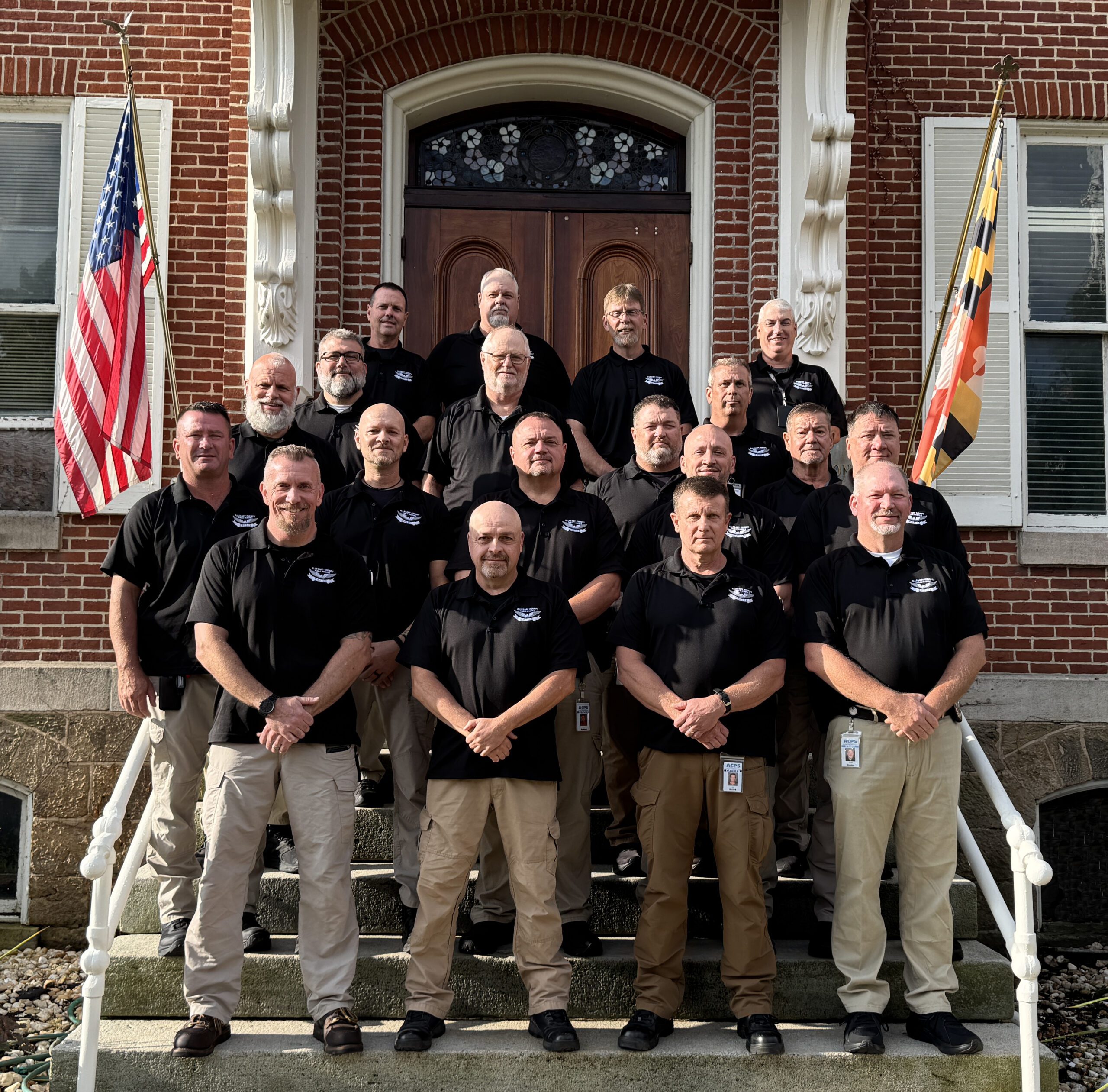
School Safety Employees
-Presence is Prevention-
We want you to feel confident that we're always working to improve safety as needs change. Our goal is to make sure students and staff are prepared and protected every day.
Safe Schools Maryland Tip Line
The Maryland Emergency Management Agency (MEMA) and the Maryland Center for School Safety have collaborated to provide the Safe Schools Maryland Tip Line to schools to aid in the efforts to improve school safety.
The Safe Schools Maryland Tip Line is an anonymous reporting system used to report threats to the safety and/or well-being of students. Students, parents, faculty, staff, and members of communities throughout Maryland may use this anonymous, app and web-based reporting system to share their concerns, such as:
- Mental health crises
- Bullying
- School and community violence
- Drug activity
- Abuse
- Harassment
- Other issues affecting our Maryland students
The Safe Schools Maryland Tip Line is a tool for proactively addressing harmful situations and helping students who need it. By using a variety of communication modes to support the reporting and routing of tips, The Safe Schools Maryland Tip Line empowers the citizens of Maryland to create a culture of preparedness, prevention, and school safety for our students.

Anthony Rumgay
Assistant Supervisor of Student Support Services & School Safety
In an emergency, call 911. Say something, it could save a life.
Dial 1-833-MD-B-SAFE / 1-833-632-7233.